

 ภาษาอังกฤษ
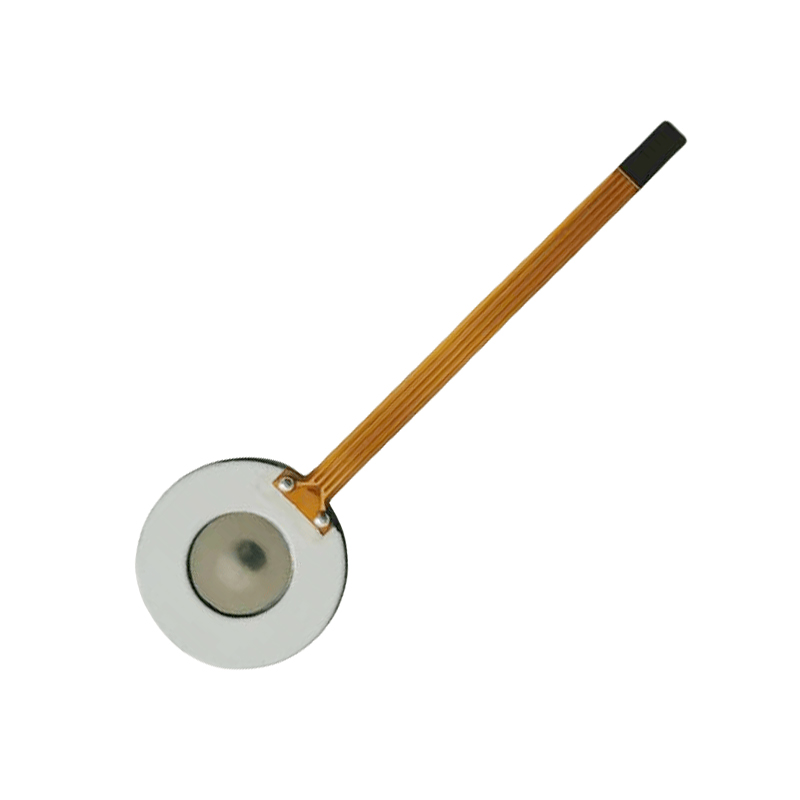
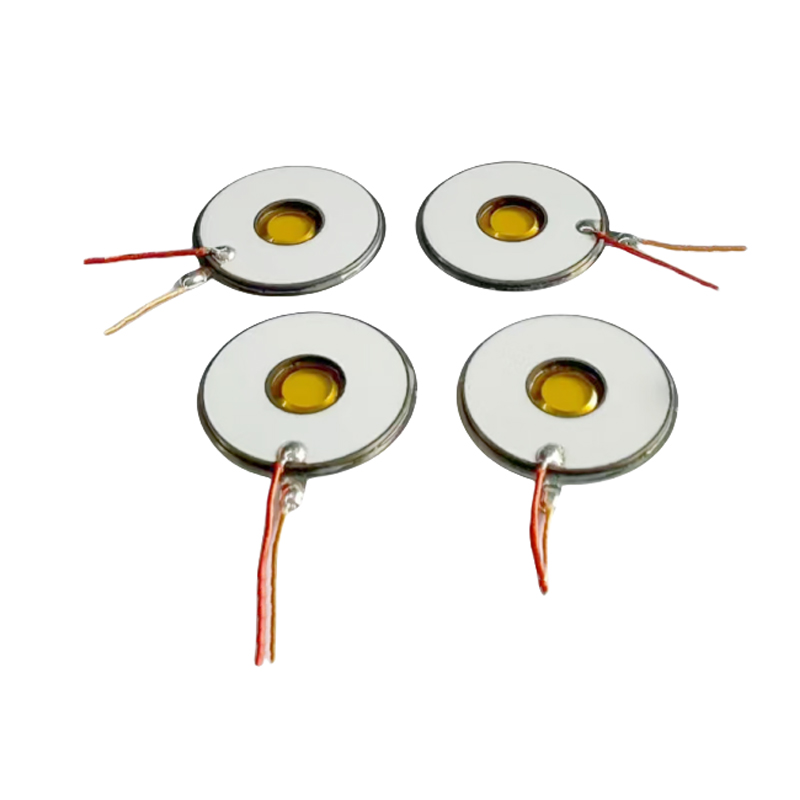
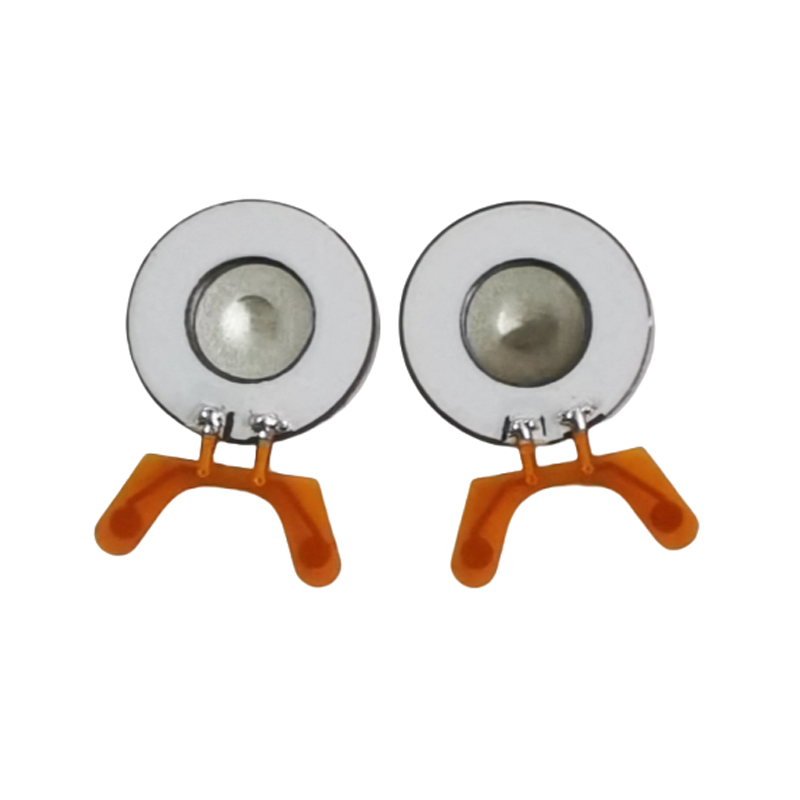
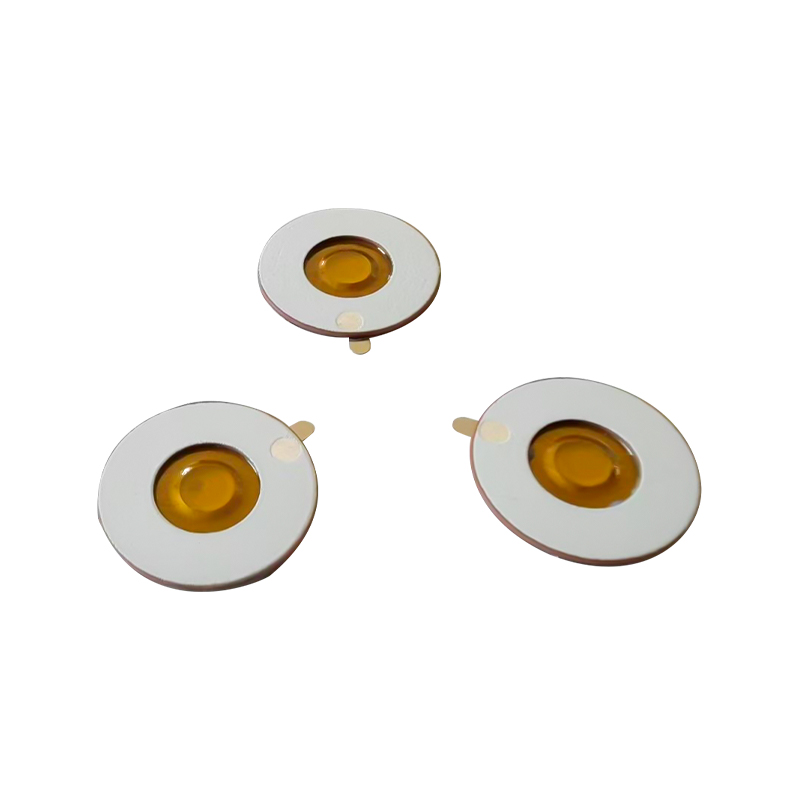
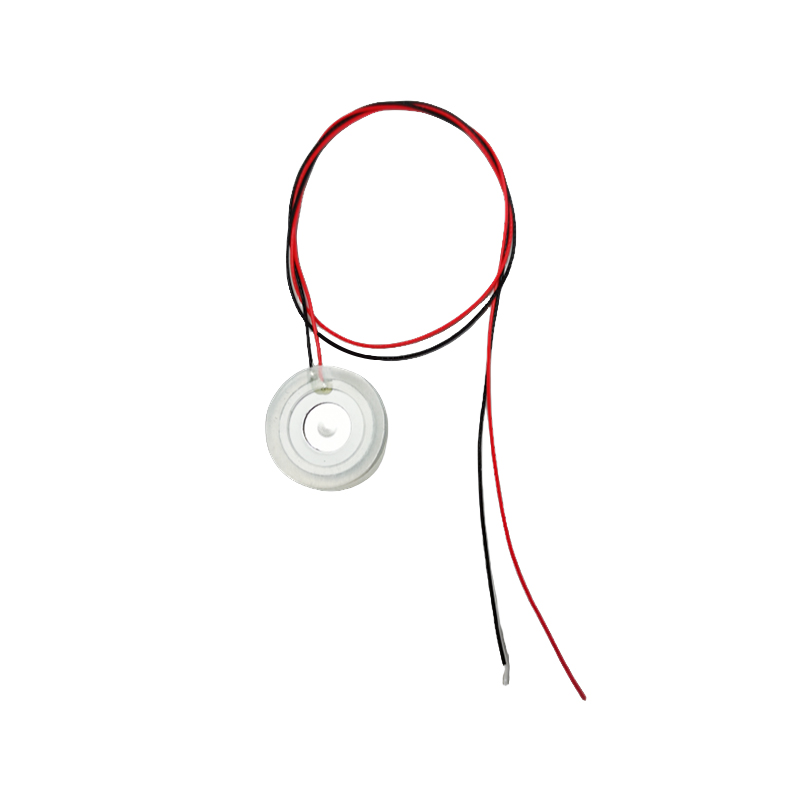
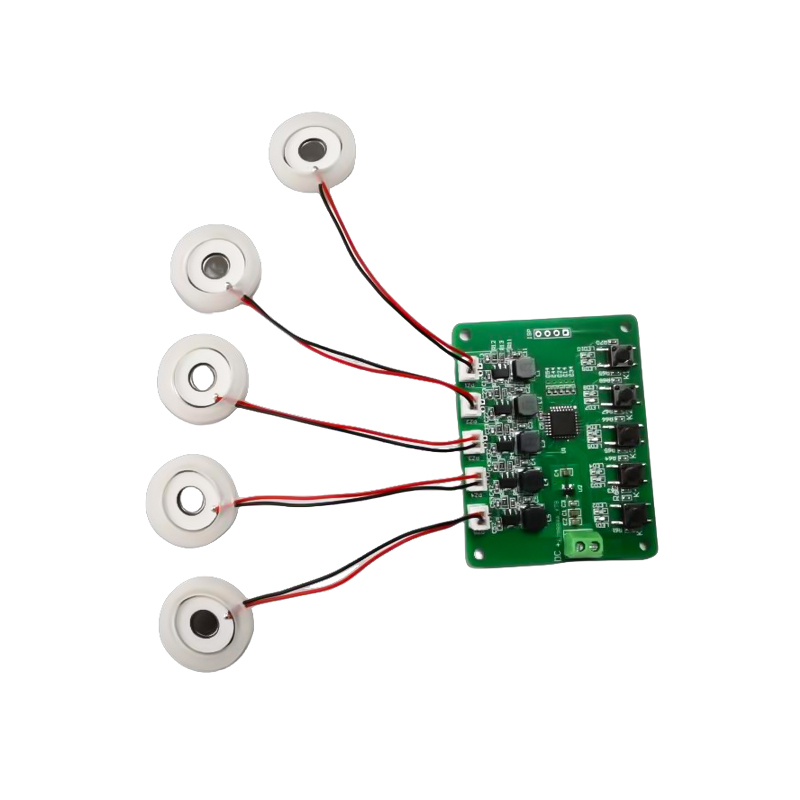
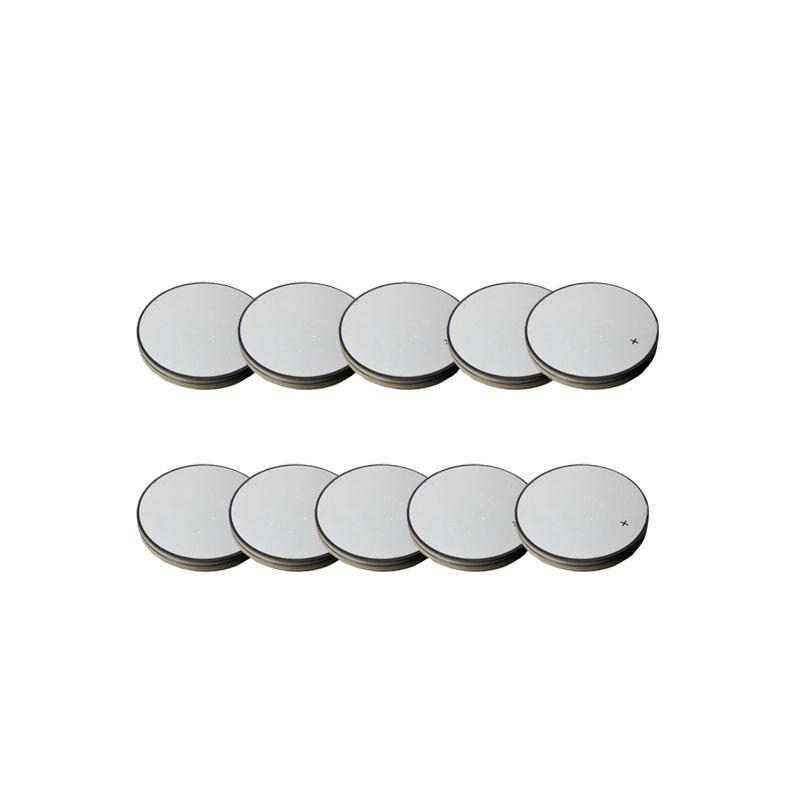
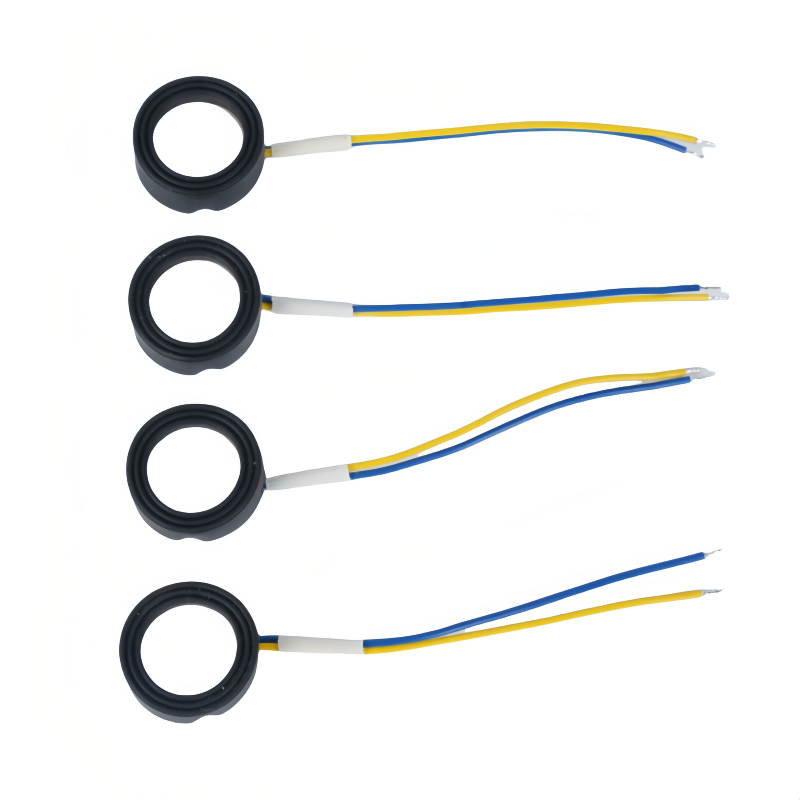
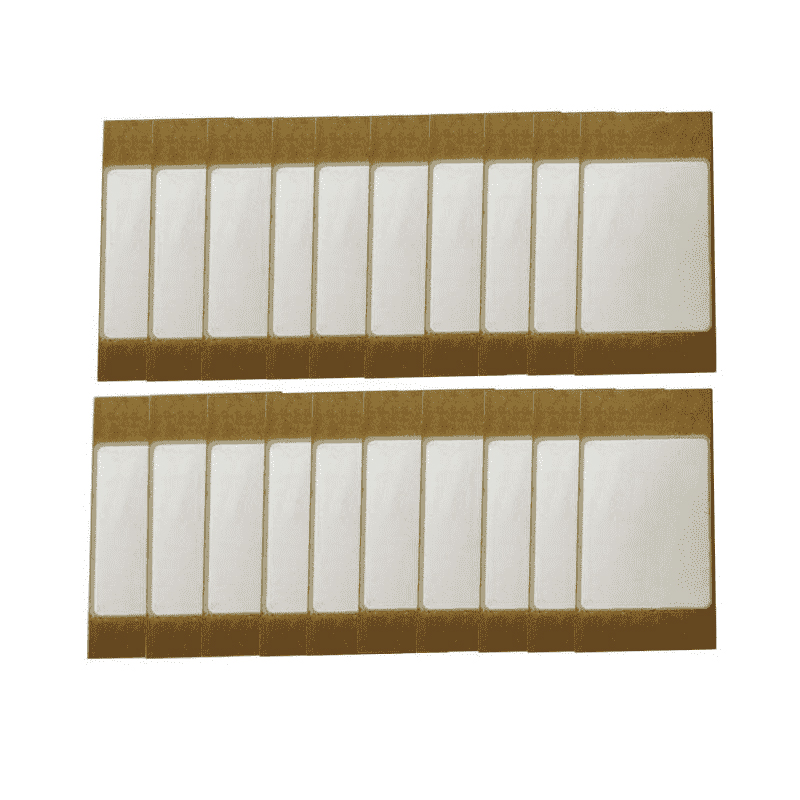
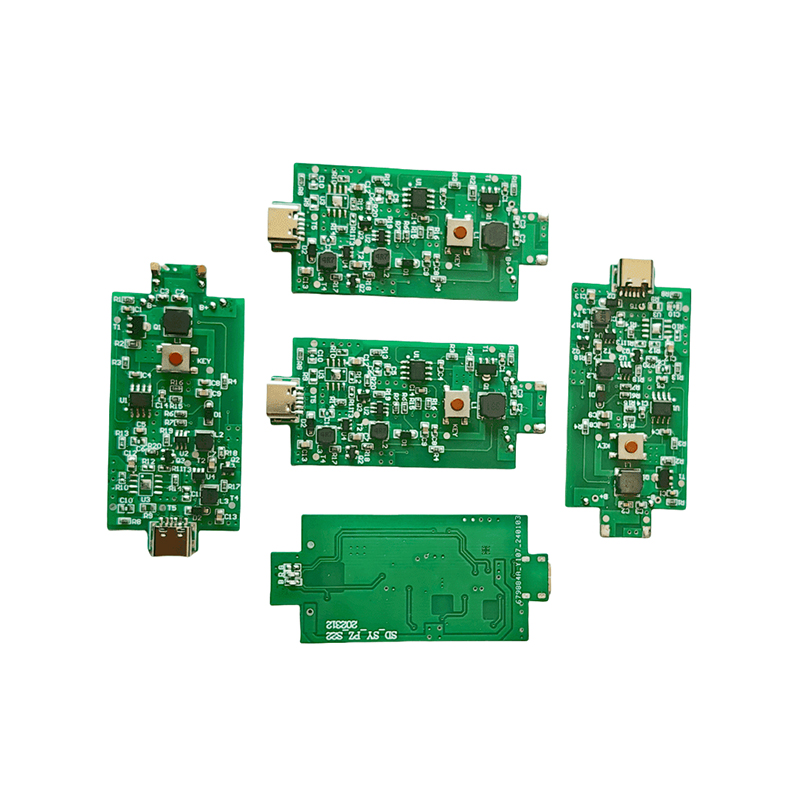
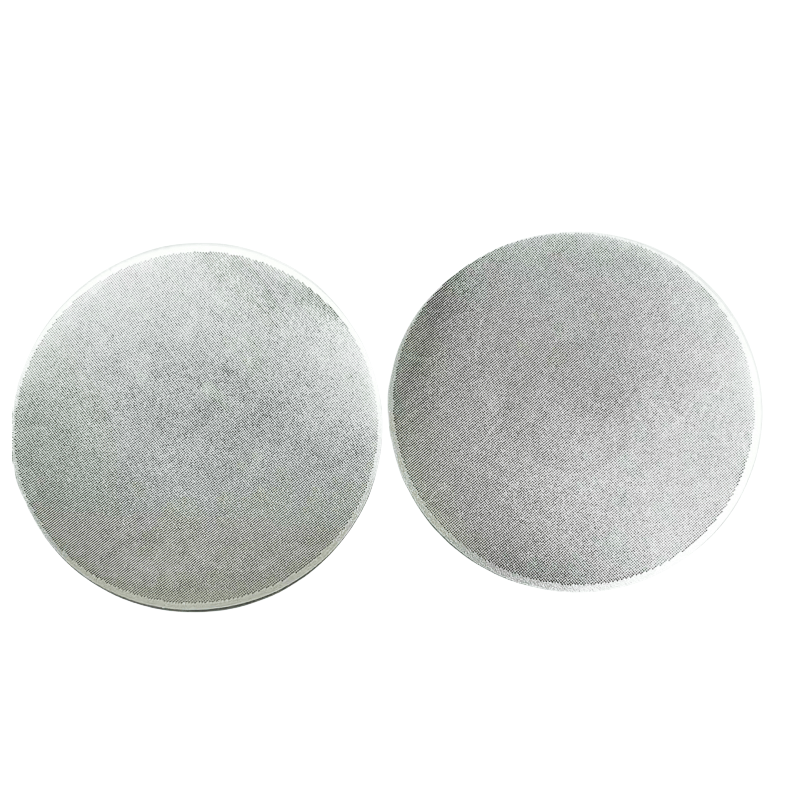
แผ่นอะตอมไมเซอร์เพียโซความถี่สูงอัลตราโซนิก ผู้ผลิต
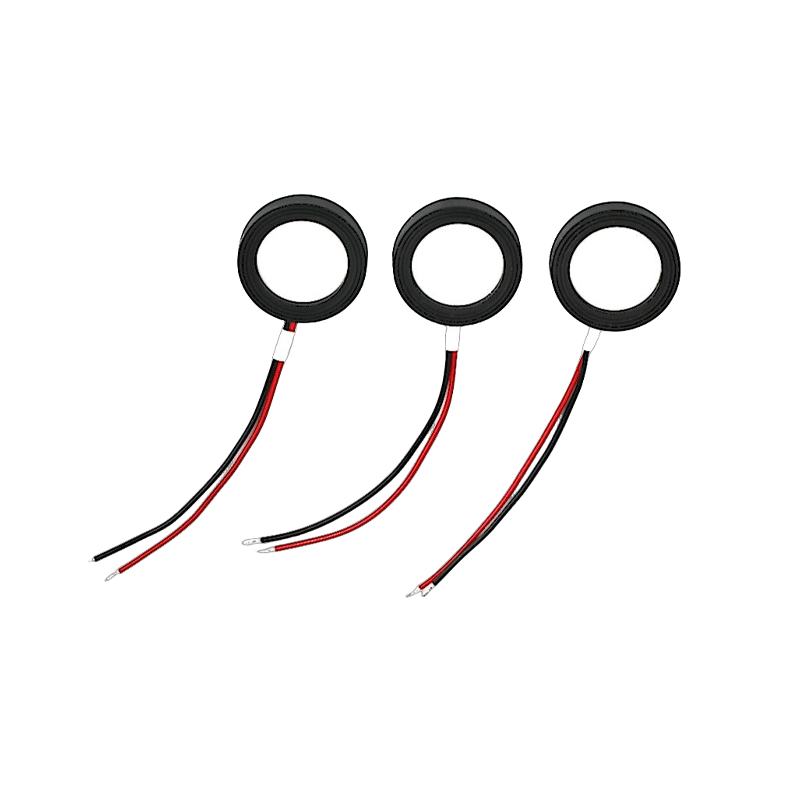
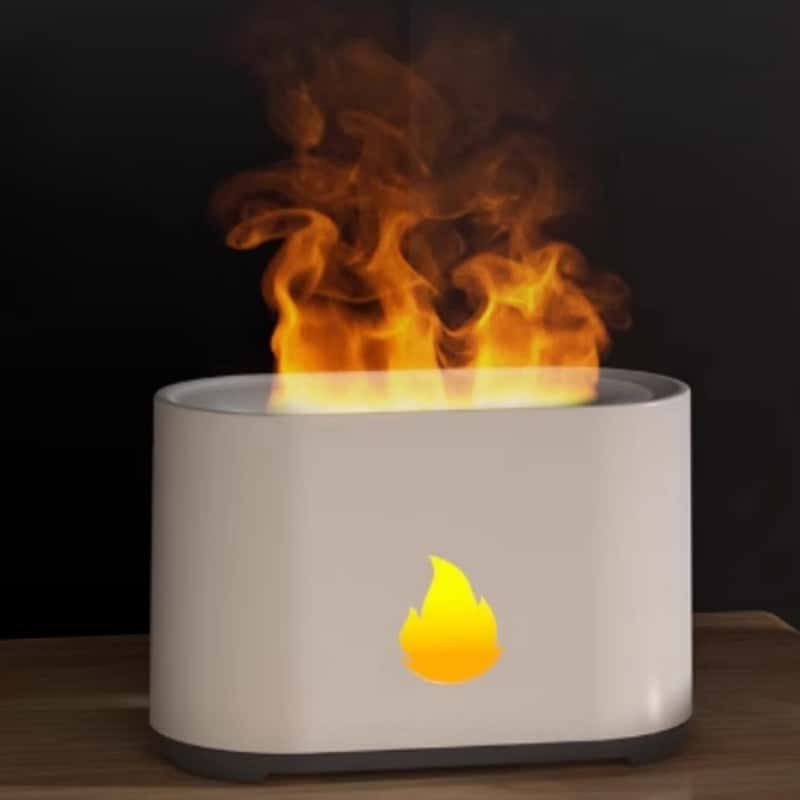
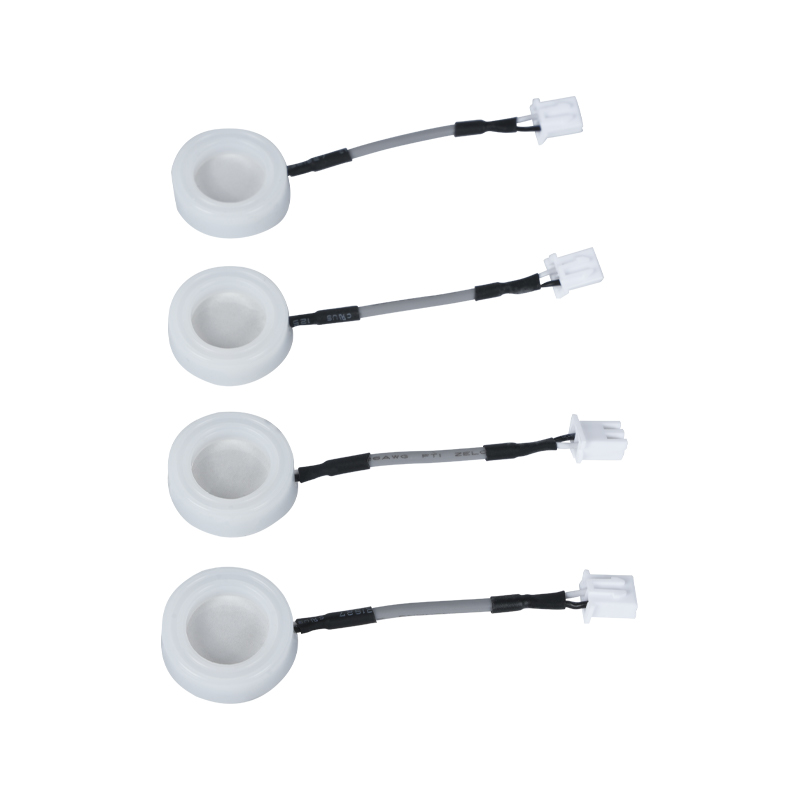
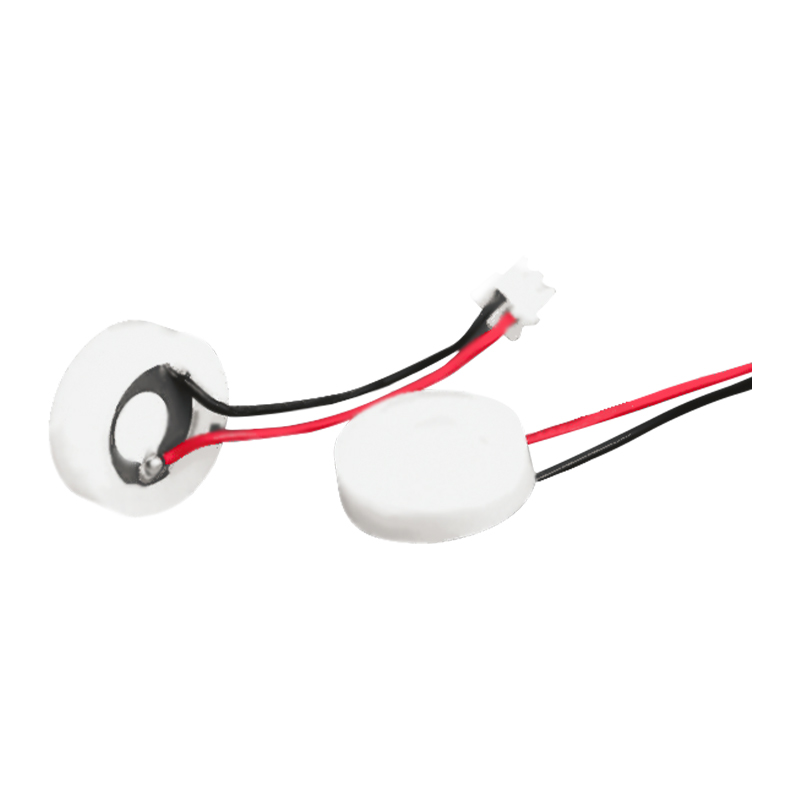
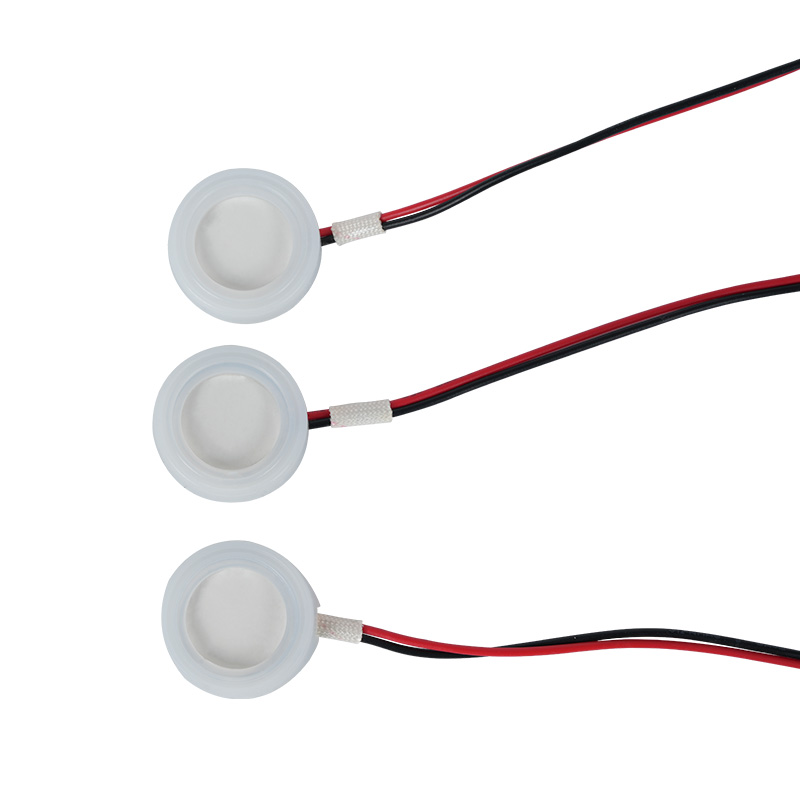
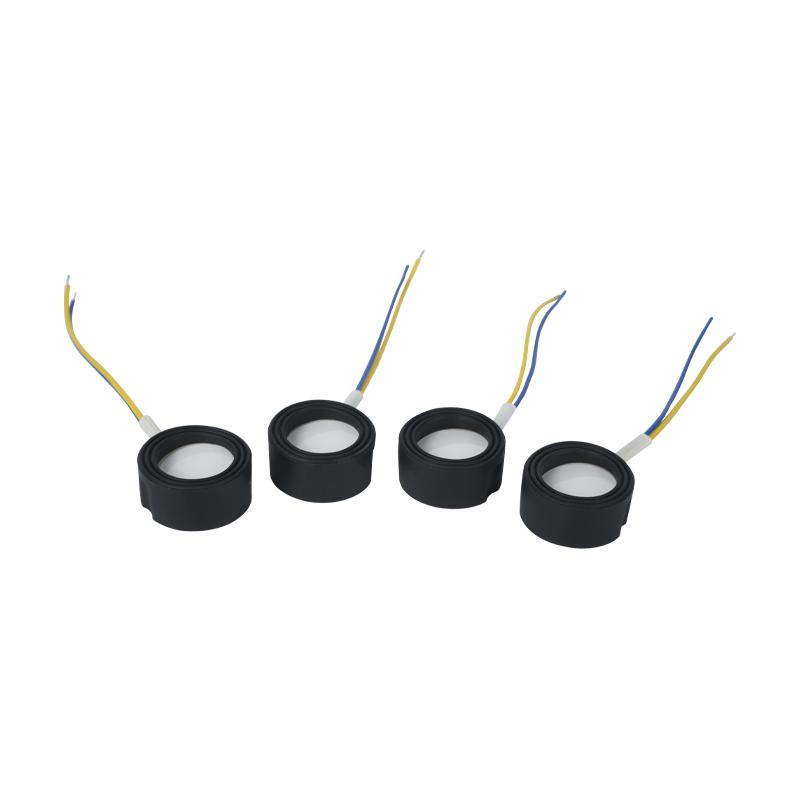
เครื่องฉีดน้ำแบบอัลตราโซนิกเป็นอุปกรณ์ที่ใช้หลักการการสั่นสะเทือนแบบอัลตราโซนิก (การแปลงพลังงาน) เพื่อแปลงของเหลวให้เป็นหยดเล็กๆ หลักการทำงานคือคุณสมบัติเพียโซอิเล็กทริกที่เป็นเอกลักษณ์ของเซรามิกเพียโซอิเล็กทริกในการตัดสินใจ ชิ้นส่วนการทำให้เป็นละอองในการรับการกระตุ้นสัญญาณสนามไฟฟ้าที่ตรงกันจะสร้างความถี่การสั่นที่สอดคล้องกันผ่านบทบาทของการสั่นสะเทือนความถี่สูงของโพรงของเหลวที่ถูกโยนออกจากพื้นผิวของน้ำเพื่อผลิตอนุภาคหมอกน้ำชนิดหนึ่งที่อะตอมด้วยไอออนลบจำนวนมากและอนุภาคขนาดเล็กของ โมเลกุลสามารถเพิ่มความชื้นโดยรอบบทบาทของอากาศบริสุทธิ์ได้
พื้นผิวของเครื่องฉีดน้ำเคลือบด้วยเคลือบแก้วที่อุณหภูมิสูง 800 องศา เพื่อปกป้องอิเล็กโทรดเงินของแผ่นเพียโซอิเล็กทริก เพิ่มความต้านทานต่อกรดและด่างและความต้านทานต่อการเกิดออกซิเดชันของเครื่องฉีดน้ำ และเพิ่มอายุการใช้งานของเครื่องฉีดน้ำ ใช้กันอย่างแพร่หลายในเครื่องทำความชื้นในร่ม เครื่องฟอกอากาศ การรักษาด้วยเครื่องพ่นฝอยละอองทางการแพทย์ และรถยนต์เพื่อความงาม และสาขาอื่นๆ แต่ยังเหมาะสำหรับคลังสินค้า โรงงาน ความชื้น การฆ่าเชื้อ เพื่อสร้างบรรยากาศของอุปกรณ์ความชื้น เม็ดพ่นหมอกควันส่วนใหญ่ใช้ในการทำความชื้นในอุตสาหกรรม การพ่นหมอกควันทางการแพทย์ การพ่นหมอกควันด้วยอโรมาเธอราพี การทำความชื้นในสิ่งแวดล้อม การพ่นหมอกควันในสวน และฉากอื่นๆ
Saida Piezoelectric เป็นองค์กรที่ใช้เทคโนโลยีเป็นฐานที่มีชื่อเสียงระดับโลก เชี่ยวชาญด้านการผลิตและผลิตสินค้าที่เกี่ยวข้องกับการทำให้เป็นละอองทางการแพทย์ เราเป็น จีน แผ่นอะตอมไมเซอร์เพียโซความถี่สูงอัลตราโซนิก ผู้ผลิต และ กำหนดเอง แผ่นอะตอมไมเซอร์เพียโซความถี่สูงอัลตราโซนิก บริษัทเรามุ่งมั่นในการสร้างสรรค์นวัตกรรม การวิจัยและพัฒนา และการส่งเสริมเซรามิกเพียโซอิเล็กทริกอัลตราโซนิก ผลิตภัณฑ์การทำให้เป็นละอองไร้สารตะกั่ว ชิ้นส่วนอิเล็กทรอนิกส์ และโซลูชันการออกแบบ PCBA ที่เกี่ยวข้อง เป้าหมายของเราคือการปรับปรุงคุณภาพชีวิตของผู้คนผ่านเทคโนโลยี และบรรลุอนาคตที่มีประสิทธิภาพมากขึ้น เป็นมิตรต่อสิ่งแวดล้อม และยั่งยืนสำหรับสังคม
ตั้งแต่ก่อตั้งในเดือนเมษายน 2011 บริษัทอยู่ในแนวหน้าของการพัฒนาเทคโนโลยี โดยมีทีมวิจัยและพัฒนาที่โดดเด่น อุปกรณ์การผลิตและการผลิตที่ทันสมัย และอุปกรณ์ทดสอบที่มีความแม่นยำ เราครอบคลุมผลิตภัณฑ์การทำให้เป็นละอองอัลตราโซนิกที่หลากหลายในสาขาวิชาชีพของเรา รวมถึงแผ่นการทำให้เป็นละอองสำหรับการสูดดมทางการแพทย์ทั้งแบบมีสารตะกั่วและไร้สารตะกั่ว แผ่นการทำให้เป็นละอองสำหรับเครื่องเพิ่มความชื้น แผ่นการทำให้เป็นละอองสำหรับน้ำมันหอมระเหย แผ่นการทำให้เป็นละอองสำหรับอุตสาหกรรม รวมถึงผลิตภัณฑ์ตรวจจับที่เกี่ยวข้องกับเพียโซอิเล็กทริกอัลตราโซนิกและโซลูชันการขับเคลื่อน PCBA เราไม่เพียงแต่มุ่งเน้นการวิจัยและพัฒนาเทคโนโลยีเชิงลึก แต่ยังนำผลลัพธ์ทางเทคโนโลยีไปประยุกต์ใช้ในชีวิตจริงอย่างจริงจัง เพื่อให้ผลิตภัณฑ์เทคโนโลยีสามารถให้บริการและเป็นประโยชน์ต่อสังคมอย่างแท้จริง ทำให้โลกน่าตื่นเต้นและสวยงามยิ่งขึ้น
การรับรอง

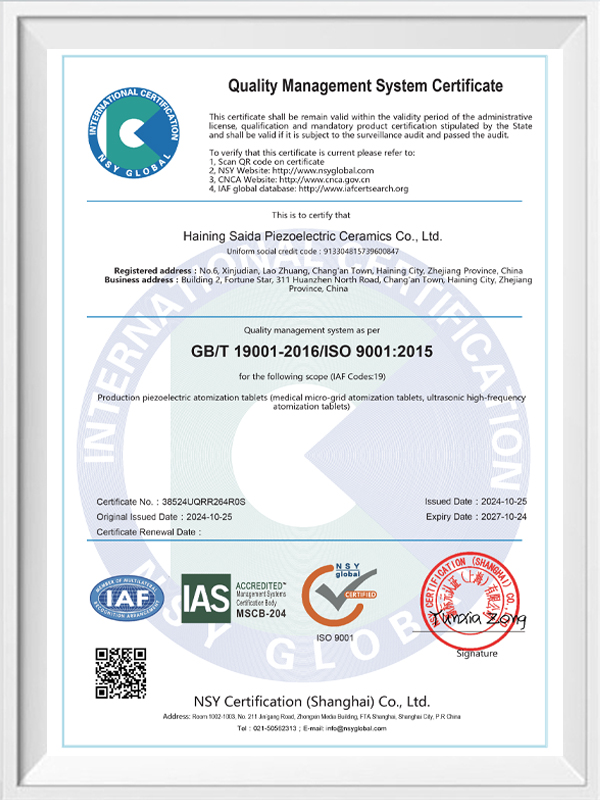
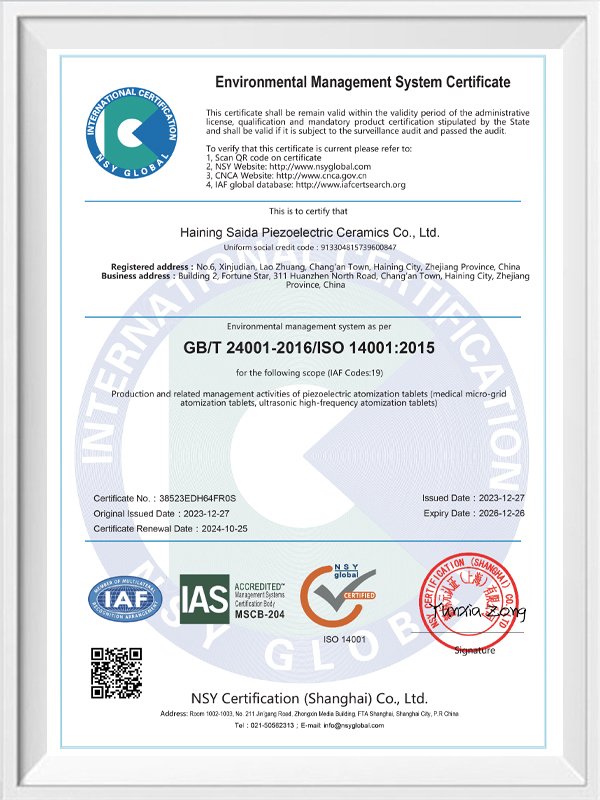
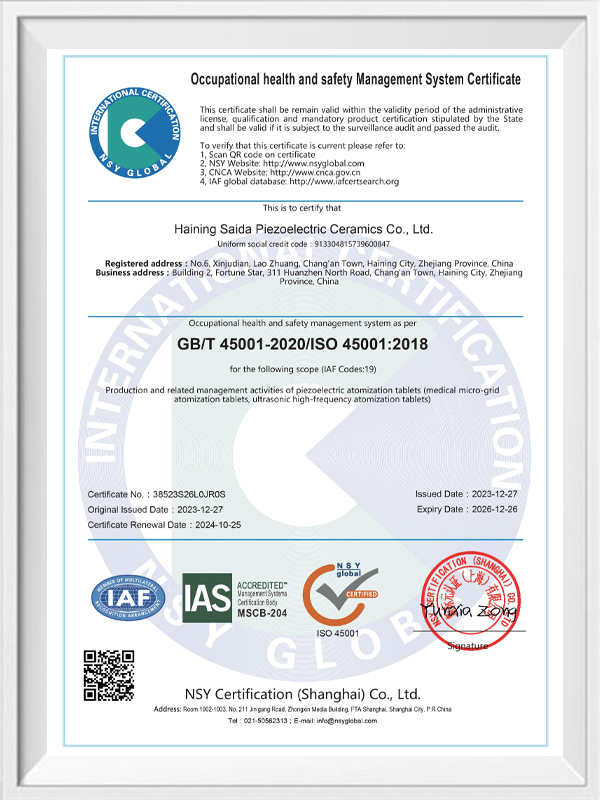
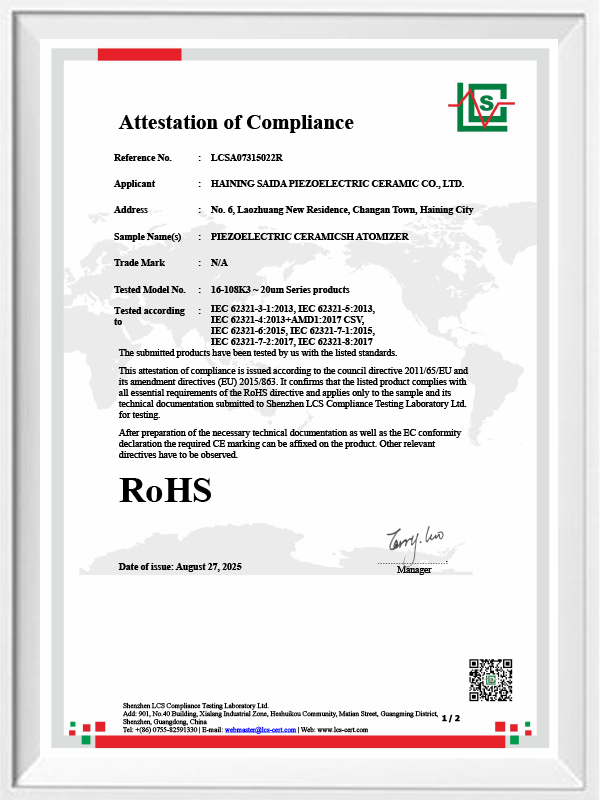
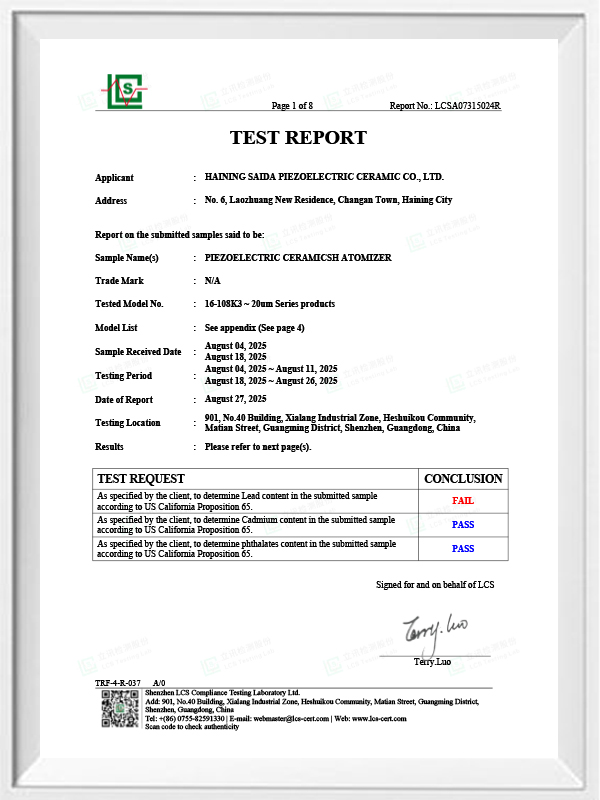
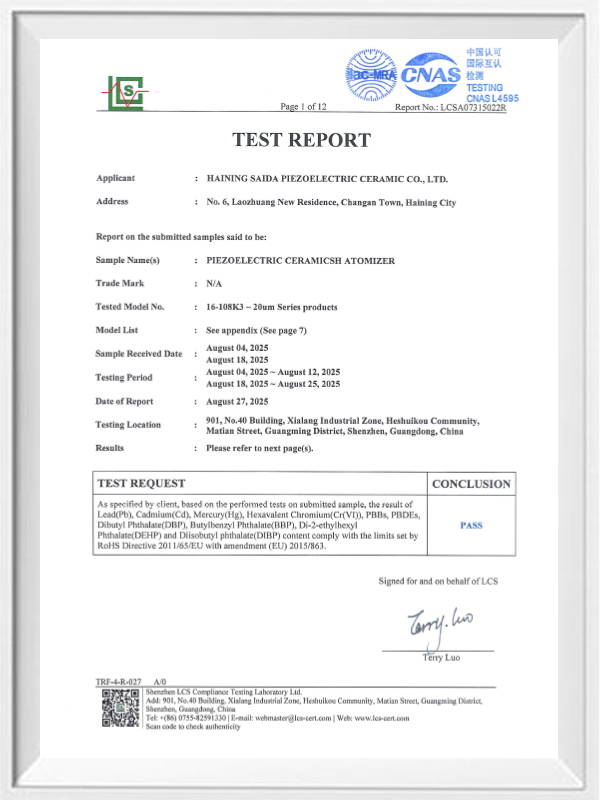
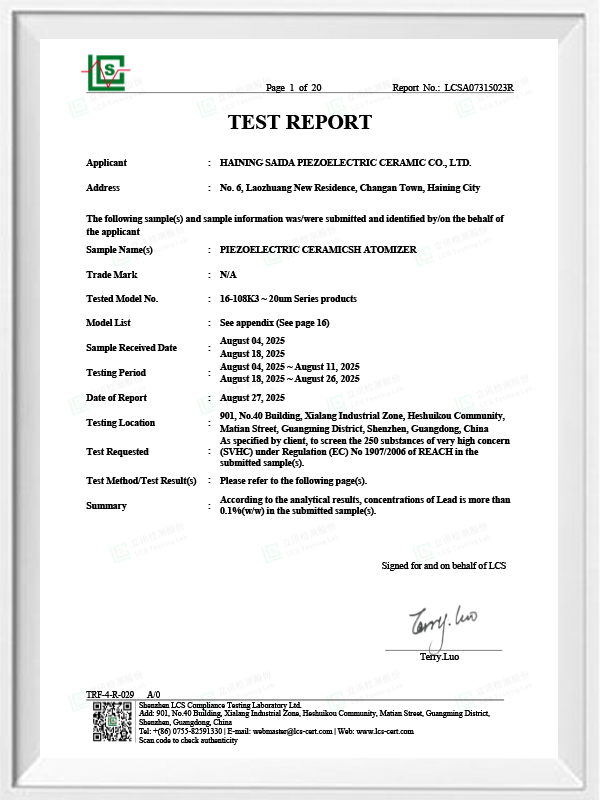
ผลิตภัณฑ์ชุดแผ่นเพียโซอิเล็กทริกสำหรับการทำให้เป็นละอองสำหรับการสูดดมทางการแพทย์ของบริษัทเราผ่านการรับรองที่จำเป็นสำหรับมาตรฐานการส่งออกทั้งหมด รวมถึงการรับรอง ROHS การรับรองระบบคุณภาพ ISO9001 การรับรองระบบสุขภาพ GB/T45001-2020/ISO 45001:2018, GB/T28001-2001 idt OHSAS18001:1999 การรับรองอาชีวอนามัยและความปลอดภัย การรับรองระบบสิ่งแวดล้อม GB/T24001-2016/ISO 14001:2015, California Proposition 65, REACH และผลิตภัณฑ์การทำให้เป็นละอองทางการแพทย์ยังได้รับการรับรองจาก FDA ของสหรัฐอเมริกาด้วย
ข่าวสาร
-
ข่าวอุตสาหกรรม
เหตุใดการออกแบบ PCB เกรดทางการแพทย์จึงกำหนดประสิทธิภาพของ ...
เหตุใดการออกแบบ PCB จึงกำหนดประสิทธิภาพการทำให้เป็นละอองในอุปกรณ์การแพทย์ ในเครื่องฉีดน้ำแบบเพียโซ ตาข่ายหรือดิสก์แบบสั่นจะได้รับความสนใจ PCB มักถือเป็นส่วนประกอบสนับสนุน สมมติฐานดังกล่าวมีค่าใช้จ่ายสูงในการพ...
-
ข่าวอุตสาหกรรม
อะไรทำให้ Precision Laser Microvias เป็นตัวตัดสินประสิทธิภ...
โดยที่ความแม่นยำระดับไมโครรูจะตัดสินคุณภาพของหมอก เครื่องฉีดน้ำแบบเพียโซอิเล็กทริกจะเปลี่ยนพลังงานไฟฟ้าให้เป็นสเปรย์ละเอียดโดยการสั่นตาข่ายโลหะบางๆ ที่ความถี่สูง ลักษณะของหมอกเกือบทั้งหมดขึ้นอยู่กับรูปทรงของร...
-
ข่าวอุตสาหกรรม
วิธีเลือกชิป Nebulizer แบบตาข่ายที่เหมาะสมสำหรับอุปกรณ์การ...
ที่ ชิปเครื่องพ่นยาแบบตาข่าย เป็นมากกว่าอุปกรณ์เสริมธรรมดาๆ เป็นแกนหลักที่ได้รับการออกแบบทางวิศวกรรมที่กำหนดประสิทธิภาพของละอองลอย ความสม่ำเสมอในการส่งยา อายุการใช้งานของอุปกรณ์ และการปฏิบัติตามกฎระเบียบ...
หัวฉีดไอโซแบบอัลตราโซนิคความถี่สูง การขยายความรู้ในอุตสาหกรรม
How to ensure the alignment and precise placement of FPC flexible circuit boards, piezoelectric ceramics and conductive films during the assembly of ultrasonic high-frequency piezoelectric atomizers disc?
The assembly of ultrasonic high-frequency piezoelectric atomizers is a complex and delicate process, in which the alignment and precise placement of FPC (flexible printed circuit board) flexible circuit boards, piezoelectric ceramics and conductive films are key steps to ensure the performance of atomizers. The precise assembly of these components not only affects the working efficiency of the atomizer, but is also directly related to its service life and reliability. The following will discuss in detail how to ensure the alignment and precise placement of these key components during the assembly process.
1. Understanding of component characteristics and functions
Before starting assembly, it is crucial to have a deep understanding of the characteristics and functions of each component.
FPC flexible circuit board: FPC flexible circuit board has the characteristics of light weight, thin thickness and bendability, and can provide complex circuit connections in a limited space. In the atomizer, FPC is responsible for transmitting electrical signals to piezoelectric ceramics and is a bridge for electrical signal transmission.
Piezoelectric ceramics: Piezoelectric ceramics are the core components of ultrasonic atomizers and have piezoelectric effect, that is, they can generate mechanical vibrations under the action of an external electric field. This vibration is the power source of the atomization process, and its frequency and amplitude directly affect the atomization effect.
Conductive film: Conductive film is a conductive film used to establish an electrical connection between FPC and piezoelectric ceramics. It must have good conductivity, adhesion and environmental resistance to ensure stable transmission of electrical signals.
2. The importance of precise alignment
During the assembly process, the alignment of FPC, piezoelectric ceramics and conductive film is crucial. Any slight deviation may lead to poor transmission of electrical signals, which in turn affects the performance of the atomizer. For example, if the alignment of FPC and piezoelectric ceramics is inaccurate, it may cause delay or loss of electrical signal transmission; if the conductive film is not placed correctly, it may cause poor electrical connection and even cause a short circuit.
3. Alignment and placement methods
In order to ensure the alignment and precise placement of FPC flexible circuit boards, piezoelectric ceramics and conductive films, the following measures can be taken:
Use precision positioning tools: During the assembly process, use precision positioning tools (such as positioning pins, positioning fixtures, etc.) to ensure the accurate alignment of each component. These tools can fix the position of the components to prevent them from moving during the assembly process.
Use visual assistance system: Use visual assistance systems such as microscopes or high-precision cameras to monitor the alignment of components in real time. This can not only improve the accuracy of assembly, but also detect and correct alignment deviations in a timely manner.
Optimize the assembly process: Develop a detailed assembly process and clarify the operating requirements and precautions for each step. Through process optimization, reduce alignment deviations caused by human factors and improve assembly efficiency and accuracy.
Train operators: Provide professional training for operators to familiarize them with the characteristics, assembly processes and operating requirements of components. Ensure the accuracy and stability of the assembly process by improving the skill level of operators.
4. Application and curing of conductive adhesive film
The application and curing of conductive adhesive film are also key links to ensure component alignment and precise placement.
Film selection: Select a suitable conductive adhesive film based on the working environment and performance requirements of the atomizer. Consider the conductivity, adhesion, temperature resistance, humidity resistance and other factors of the film to ensure that it can meet long-term use requirements.
Film cutting and placement: Use precision cutting tools to cut the conductive film into the required shape and size, and then accurately place it between the FPC and the piezoelectric ceramic. During the placement process, ensure that the film fits tightly to the surface of the component without bubbles or wrinkles.
Film curing: The conductive film needs to go through a curing process after placement to exert its conductive properties. According to the curing conditions of the film (such as temperature, time, etc.), a reasonable curing process is formulated. During the curing process, the temperature and time must be strictly controlled to ensure that the film can be fully cured and achieve optimal performance.
- ลิงก์ด่วน
- ผลิตภัณฑ์
- เกี่ยวกับ
- แอปพลิเคชัน
- ข่าว
- ติดต่อ
- ลิงก์สินค้า
- หัวฉีดไอโซแบบตาข่ายทางการแพทย์
- หัวฉีดไอโซแบบฟิล์มโพลีเมอร์ PI
- หัวฉีดไอโซแบบตาข่ายปลอดสารตะกั่ว KNN
- ชิปปรับค่าศูนย์แบบตาข่ายปลอดสารตะกั่ว PI
- หัวฉีดไอโซแบบไมโครตาข่ายสำหรับเครื่องทำความร้อน
- หัวฉีดไอโซสำหรับพัดลม/เครื่องเพิ่มความชื้น/เครื่องเสริมความงาม
- ตัวแปลงสัญญาณการพ่นละอองแบบอัลตราโซนิค
- หัวฉีดไอโซแบบอัลตราโซนิคความถี่สูง
- หัวฉีดไอโซแบบเซ็นเซอร์สำหรับการผลิตพลังงาน/ความร้อน
- การออกแบบ PCB สำหรับหัวฉีดไอโซทางการแพทย์
- เทคโนโลยีการประมวลผลไมโครรูด้วยเลเซอร์ความแม่นยำสูง
- ติดต่อ
-
อาคาร 1 ฟอร์จูนสตาร์ 2 เลขที่ 311 ถนนฮวนเจินเหนือ ตำบลฉางอาน เมืองไห่หนิง มณฑลเจ้อเจียง ประเทศจีน

-
+86-18006619680

-
+86-13777879680

-
Felix@saidapiezo.com

riney@saidapiezo.com
yugao@saidapiezo.com
emily@saidapiezo.com
dean@saidapiezo.com -
Felix: +86 18157327658

John: +86 18957351358
Emily: +86 18957339358
Dean: +86 15356418868
- มือถือ